CIPP Trenchless Sewer Lining – Portland Metro OR
True Flow Plumbing PDX provides CIPP (Cured-In-Place Pipe) trenchless sewer lining throughout the Portland metro area. CIPP is how we repair cracked, root-intruded, and deteriorated sewer lines without excavating your yard. A flexible liner saturated with epoxy resin is inserted into the damaged pipe, expanded against the pipe walls, and cured into a new structural pipe inside the old one — seamless, joint-free, and rated for 50-plus years. Most CIPP installations protect driveways, landscaping, and mature trees that traditional excavation would require removing.
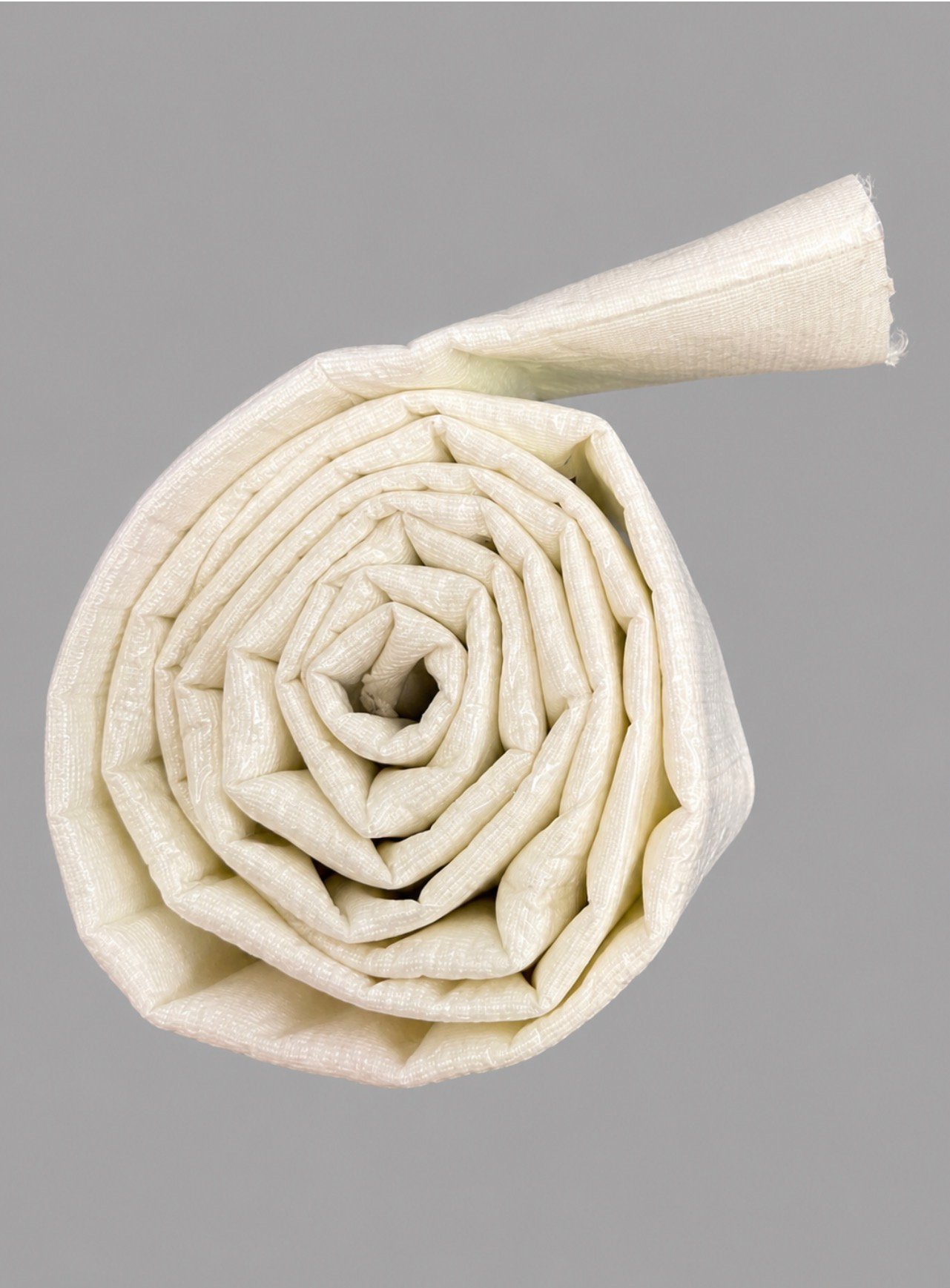
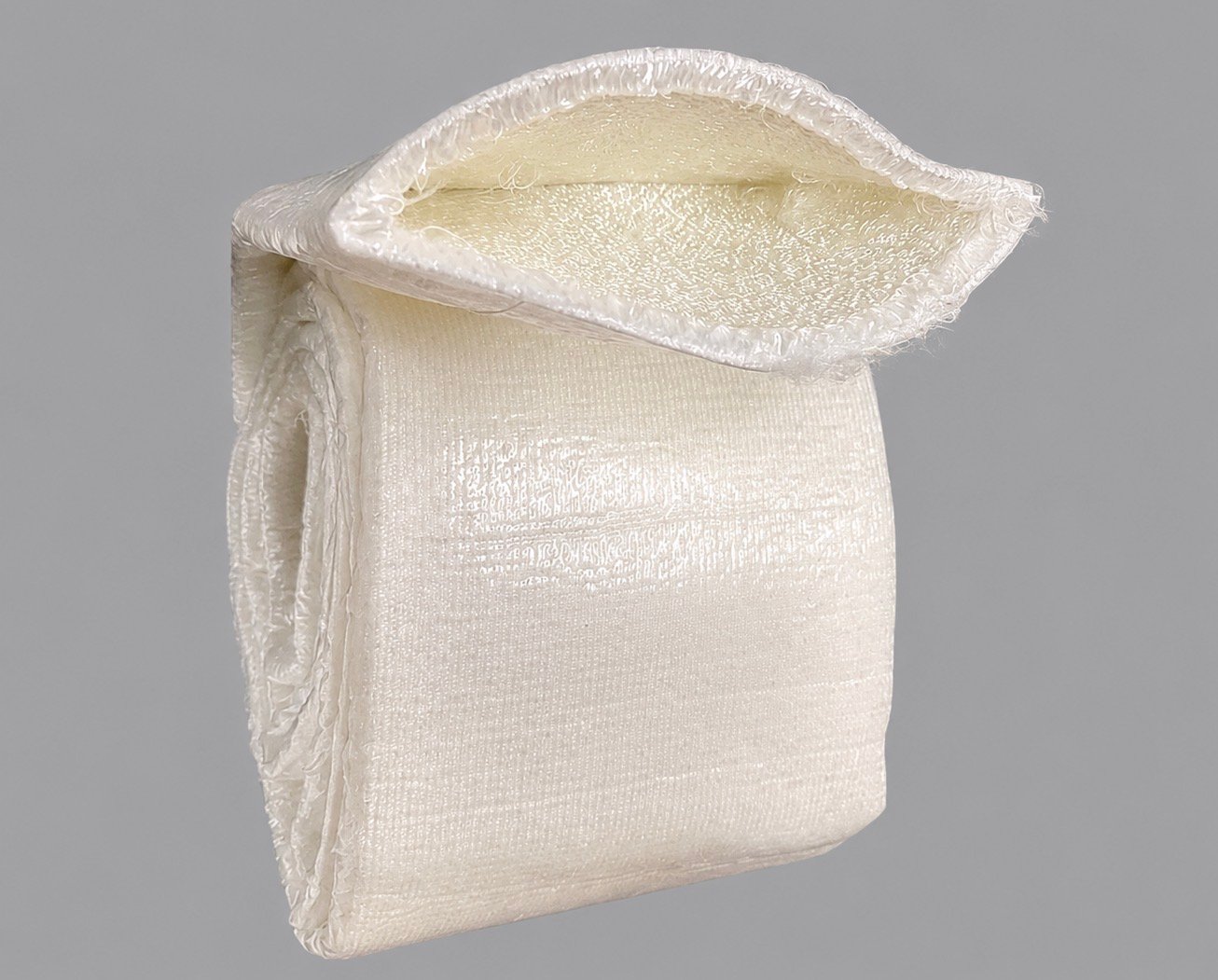
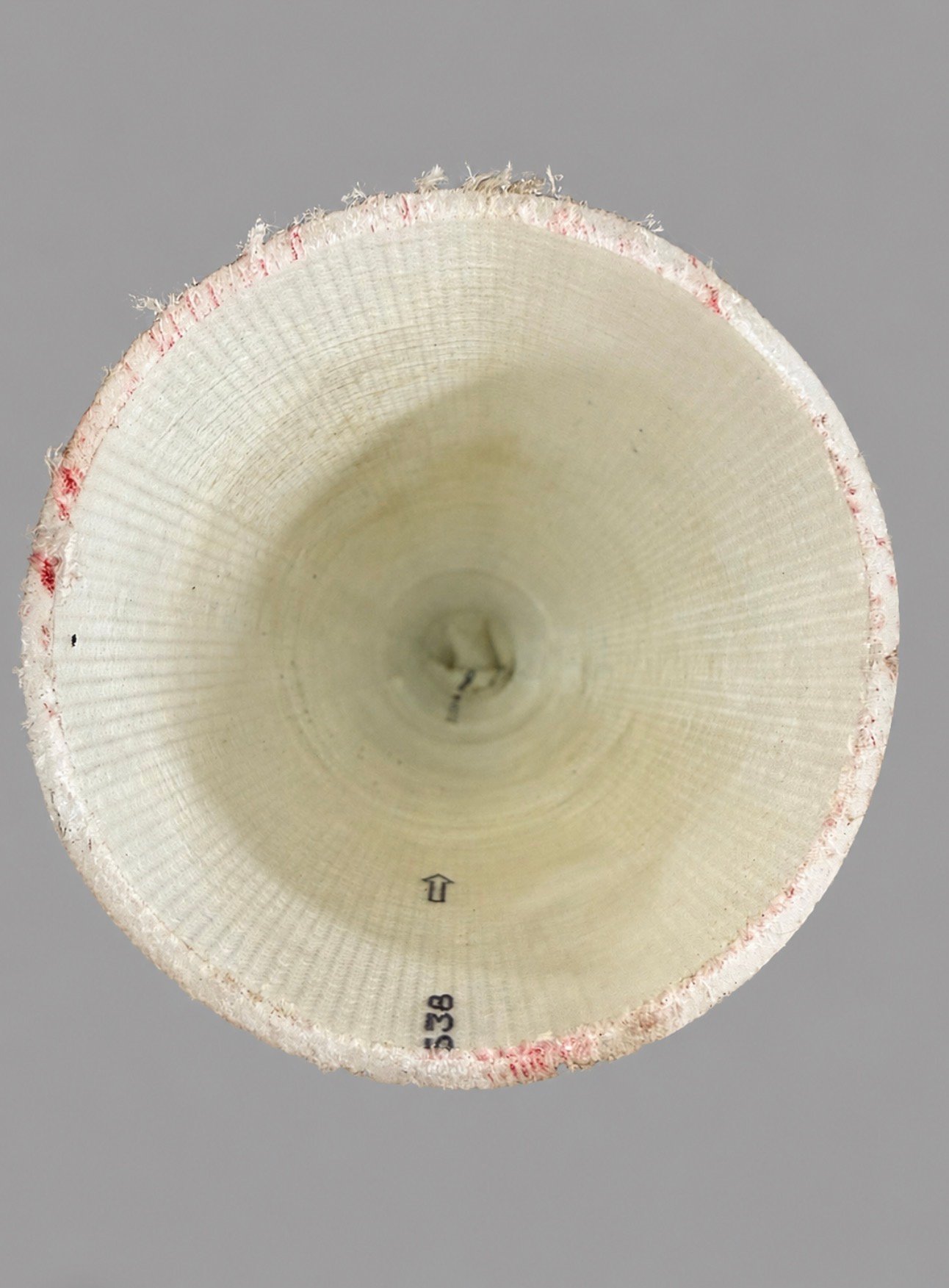
What a CIPP Liner Looks Like Before & After Installation
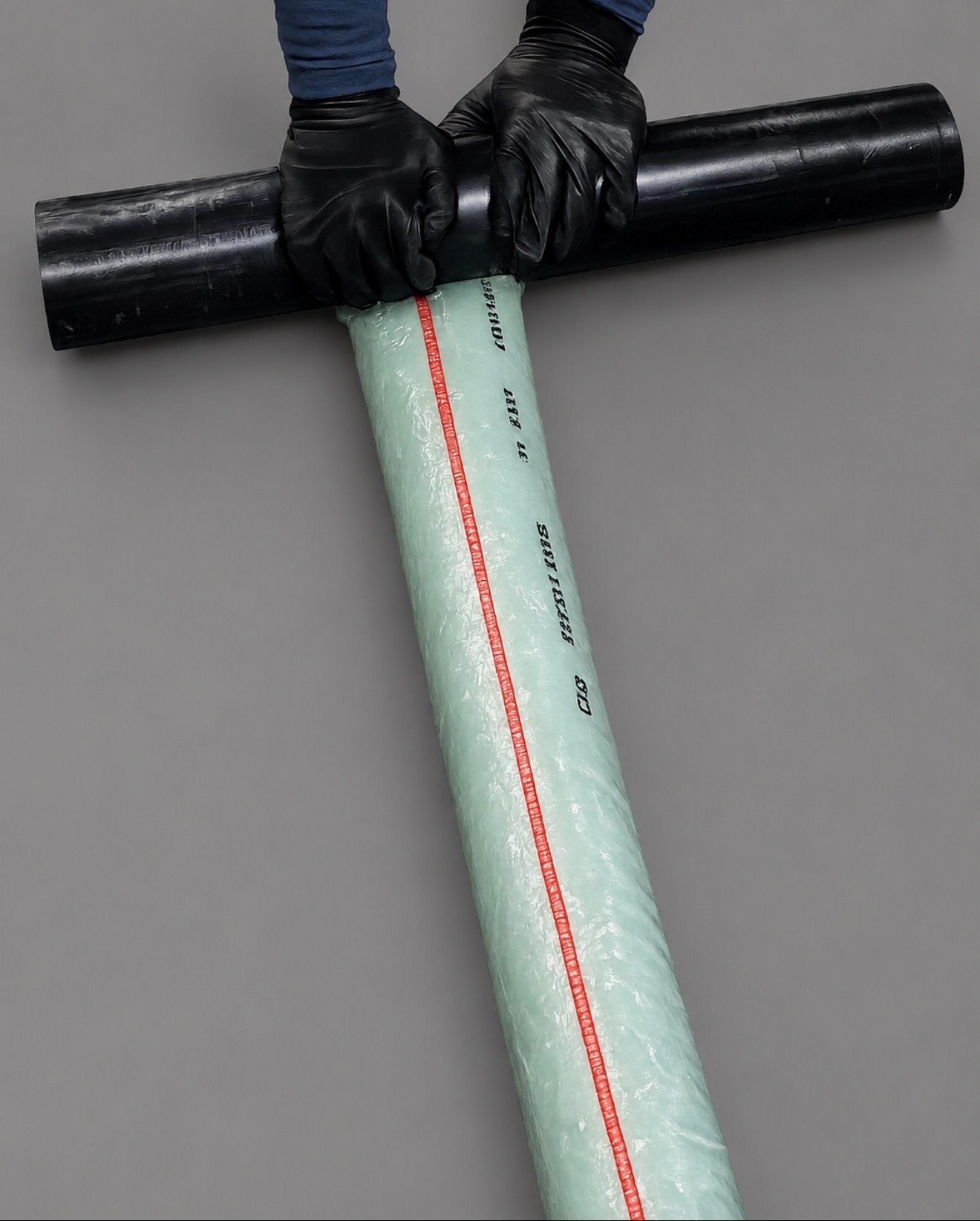
Most homeowners have never seen a CIPP liner before. The photos below show exactly what the material looks like at each stage — from the dry felt tube that arrives on the job to the resin-saturated liner ready to enter the pipe.
How CIPP Lining Works
- Sewer scope inspection first. We camera the line to document the pipe material, diameter, condition, and type of damage — cracks, root intrusion, joint separation, or corrosion. This confirms whether CIPP lining is the right solution and identifies any sections that need excavation before lining.
- Pipe cleaning and preparation. The existing pipe is hydro jetted to remove root mass, grease, and debris. The interior needs to be clean so the resin bonds properly to the pipe wall. Roots that aren't cleared before lining can prevent the liner from fully conforming to the pipe.
- Liner saturation. The felt or fiberglass liner tube is thoroughly impregnated with two-part epoxy resin. Full saturation — no dry spots — is critical to the liner's structural integrity after curing. The saturated liner is ready for insertion within a set working window before the resin begins to set.
- Insertion and inflation. The saturated liner is inverted or pulled into the pipe from a cleanout or access point. Once positioned, it's inflated with air or water pressure, pressing it firmly against the inside of the existing pipe and conforming it to the pipe's shape.
- Curing. The liner is held under pressure while the epoxy resin cures. Curing time depends on the resin formulation, pipe diameter, and ambient temperature — typically several hours for ambient-cure methods. Steam and UV-cure methods are faster.
- Final camera inspection. After curing, we run the camera through the lined pipe to confirm full contact with the host pipe, document the finished interior, and verify that service connections are open. The homeowner receives video documentation of the completed liner.
What CIPP Lining Repairs
Damage CIPP Lining Addresses
- Root intrusion at joints — liner seals every joint
- Cracks and fractures in the pipe wall
- Separated or offset joints — bridged by the liner
- Corrosion and pitting in cast iron
- Deteriorated clay tile — liner creates new interior
- Leaking Orangeburg or concrete pipe
- General loss of structural integrity in aging pipe
What You Get After Lining
- Seamless, joint-free pipe interior
- Roots cannot re-enter sealed joints
- Smooth interior — better flow than original
- Immune to further corrosion
- 50+ year rated service life
- No excavation in most cases
- Video documentation of the finished liner
Pipe Materials CIPP Can Rehabilitate
When CIPP Lining Isn't Enough — and Excavation Is Needed
CIPP lining works in the large majority of cases, but not every situation. Severe pipe collapse where the liner can't travel through, missing pipe sections, or significant lateral displacement at a joint may require targeted excavation to repair that section first. In those cases, we excavate only the affected area, repair it, and line the rest — minimizing how much of the yard gets opened. The pre-lining camera inspection identifies these situations before any work begins so there are no surprises.
CIPP Lining in the Portland Metro: Why It Matters for Older Homes
The Portland metro has a high concentration of homes with clay tile sewer laterals from the 1920s through 1950s, cast iron drain lines from the 1950s and 1960s, and ABS laterals from the 1970s and 1980s that are now approaching or past 50 years of age. These are all pipe types where root intrusion, corrosion, and joint deterioration are predictable. CIPP lining addresses these issues without the disruption of full excavation — particularly important on properties with mature landscaping, long lateral runs under driveways, or trees close to the pipe route.
- 1920s–50s clay tile — every joint sealed, root entry eliminated
- 1950s–60s cast iron — corrosion and interior roughness addressed
- 1970s–80s ABS — root intrusion at aging joints permanently sealed
- Driveways, patios, and mature trees preserved in most cases
- Lateral runs under structures lined without opening the floor
Frequently Asked Questions
How do I know if my sewer line is a good candidate for CIPP lining?
The only way to know for certain is a camera inspection. We scope the line, document the pipe material, diameter, condition, and type of damage, and then tell you directly whether lining is the right solution — or whether some section requires excavation first. The camera inspection is the starting point for any trenchless sewer repair evaluation.
Does CIPP lining reduce the pipe's interior diameter?
Slightly — a standard liner is typically 6 to 9mm thick depending on pipe diameter and required structural rating. On a 4-inch lateral, this reduces the interior diameter by roughly ¼ inch. In practice, the smooth, seamless interior of a cured liner flows better than the original corroded, root-intruded, or rough interior — so flow capacity in a deteriorated pipe typically improves after lining despite the slight diameter reduction.
How long does CIPP lining installation take?
Most residential lateral lining jobs complete in one day. The timeline depends on lateral length, access points, pipe cleaning requirements, and the curing method used. We provide a time estimate when we scope the line so you know what to expect before scheduling the installation.
Is the sewer usable during the curing period?
No — plumbing fixtures in the home cannot be used while the liner is in the pipe and curing. We work to minimize this window and communicate the timeline clearly before starting. Most residential lateral liners are cured and service is restored the same day.
CIPP Lining Service Area
Sewer Scope Inspection → | Drain Cleaning → | All Services →
Think Your Sewer Line Might Need Lining?
Start with a camera inspection. We scope the line, show you what's there, and tell you whether CIPP is the right fix — or if something else is needed. No pressure, no surprises.